

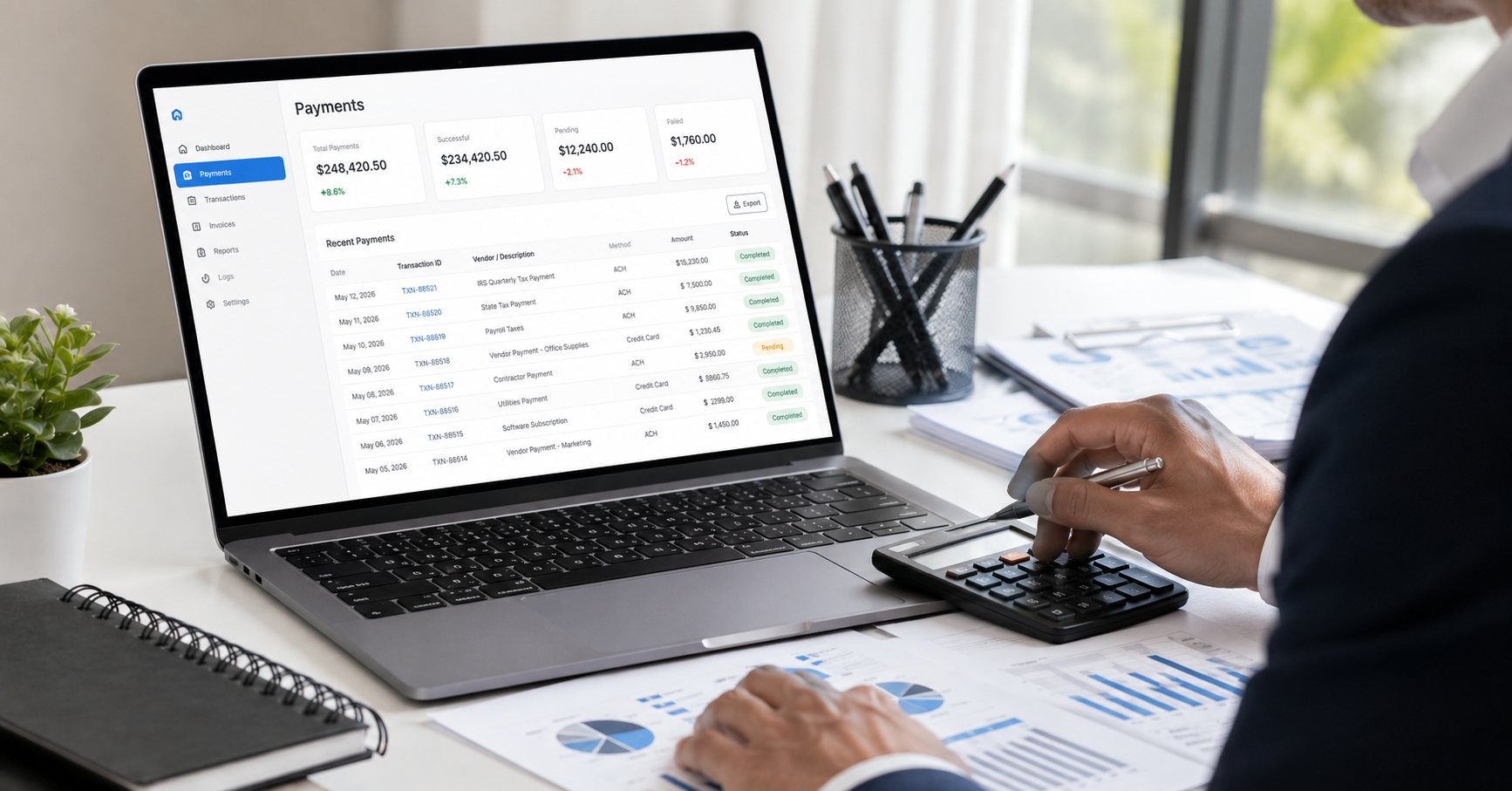
Financial management, dealing with quarterly tax obligations, and maintaining accurate records will soon cause decision fatigue for contemporary businessmen. Be it struggling with daily tasks of cash flow management or preparing for an upcoming audit, keeping an exact and chronological record of every single financial transaction is a must-have for any business operating on American soil.
When you are not sure about where you can find your payment logs or how to manage your payment logs for audit purposes without being swamped by all those fragmented spreadsheets, there is a way out. By employing a state-of-the-art tracking service via the Tax Office Portal, you will keep track of everything without any problems. Here are the benefits of structured payment tracking for your business.
The Critical Importance of Audit-Ready Payment Logs
In the arena of tax compliance and corporate accounting in the United States, confusion is your greatest adversary. When you are required by regulatory agencies or accountants to prove past settlement payments, sorting through disorganized bank statements and unorganized receipts is both time-consuming and risky.
Audit-ready payment logs require that your company maintain an organized log book with all transactions coming in and going out timestamped, numbered, and tagged accordingly. Keeping such detailed logs will shield your company from:
- Discrepancy Errors: The ability to match up your company’s own records to receipted documentation reduces errors when tax season comes around.
- Time-Saving: Providing your CPA with your company’s history report saves both time and money.
How to Track Payment Logs Efficiently
Implementing a robust tracking system doesn’t require an army of bookkeepers. Web portals of today use automatic logging systems that ensure logging of payment data instantly when the transaction is completed.
Once you have logged into your dashboard, you are able to easily track payment logs through various filter options like time range, payment methods, transaction IDs, and tax categories. Such an ability enables the business to grow without having to suffer from manual mistakes and errors.
- Automatic Data Logging: With all transactions being made in the system, your digital ledger will be populated automatically with all the metadata.
- Available Exportable Formats: You will be able to export all the transaction records in standard format (such as CSV or PDF), which will be readily available to be used for QuickBooks and Xero accounting.
- Secure Cloud Storage: Get rid of all the problems related to physical copies of receipts and corrupted local documents, as everything gets stored in the cloud securely and safely.
Best Practices for Managing Corporate Payment History
Maximizing the utility of your digital portal involves more than just letting the software run in the background. Establishing disciplined internal habits ensures your financial data remains pristine year-round.
- Perform Monthly Reconciliations: Compare your portal logs against your primary business bank statements at the close of every month to catch anomalies early.
- Tag and Categorize Instantly: Assign proper expense codes or tax categories to each transaction as they occur to avoid a massive cleanup effort at the end of the fiscal year.
- Restrict User Access Wisely: Utilize role-based permissions within your portal so that only authorized personnel can view or modify sensitive financial logs.
Leveraging Advanced Portal Technology for Growth
In addition to simply tracking expenditures, digital systems become a powerful tool for future financial planning. By analyzing payment trends through time, the owner will be able to see cash flow fluctuations throughout the year, manage costs better, and distribute their funds efficiently. Clean records mean that you no longer have to plan your finances blindly, but with absolute precision.
- Analysis of Trends: Observe the velocity of expenses in various departments and detect potential inefficiencies before it affects your profits.
- Vendor Management: Keep your history of payments clear to be able to bargain with suppliers and get volume discounts.
- Effortless Collaboration: Give access to your financial team or auditors to relevant sections of the ledger without sending emails back and forth.
Overcoming Common Hurdles in Digital Record Retention
Transitioning from legacy filing cabinets or desktop folders to a cloud-based tracking portal requires overcoming initial operational friction. Data fragmentation is one of the challenges facing many growing businesses since there is fragmentation of data when it comes to online transactions, payroll activities, and payments to vendors in totally different software packages. Centralization of these processes will ensure that nothing important falls off during these busy times.
In addition, setting up data governance policies for your company means that everyone in the business knows how to log in transaction descriptions and codes. When all the data logging policies in your firm are unified, your audit trail will be fully bullet-proof come federal or state income tax time.
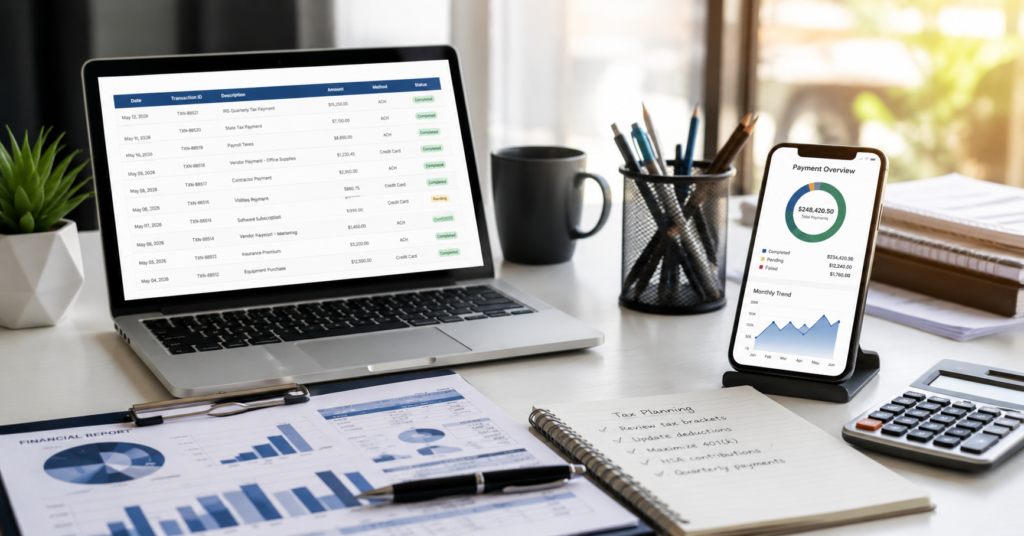
Where can I find and view my historical payment logs?
You can securely access your complete transaction history by logging into your account dashboard via the Tax Office Portal, navigating to the billing or transaction history tab, and filtering by your desired date parameters.
Secure Your Financial Workflow Today
Keeping your financial records organized shouldn’t feel like a second full-time job. By utilizing professional tracking services and maintaining clean, searchable payment histories, you eliminate administrative stress and protect your business against compliance pitfalls.
Ready to bring absolute clarity and structure to your corporate bookkeeping? Log into your portal today and take total control of your financial records to drive long-term business success.
